
12 bottles ship for $20 | Holiday 2026 Gift Sets ship for just $10

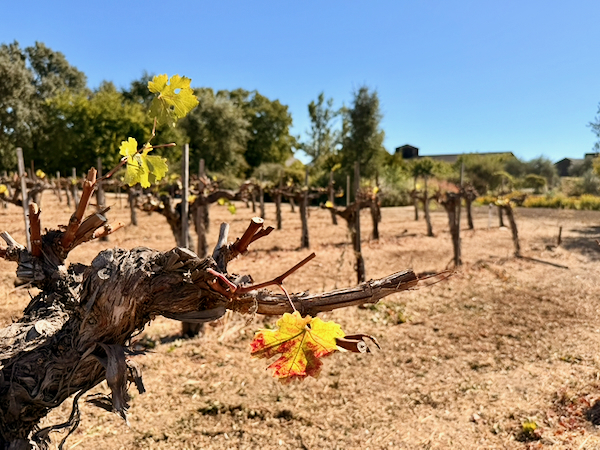
What Is The Deal With Red Blotch?
Red blotch is a disease caused by a grapevine virus that slows ripening, leaving the grapes with less sugar, altered acidity, and fewer of the crucial polyphenolic compounds that drive color and structure in red wines. These effects make it much harder to achieve the standard of fruit quality that we need for our wines, and affected wines are often not included in our final bottled wines. As the name suggests, red patches appear on the leaves of red grape varieties, although leaf color alone cannot confirm an infection. What looks pretty is symptomatic of a serious, valley-wide problem. In addition, vines infected with the virus often show no outward symptoms for 1-3 years—meaning that even vines that look uninfected can be compromised.
What Can Be Done About It?
There is currently no cure for an infected vine, so growers are focusing on reducing opportunities for the virus to spread. Depending on how the disease is distributed, that can mean removing individual vines, groups of vines, or entire vineyard blocks, then replanting with certified, disease resistant roots and grafting material. Replacing vines represents a substantial investment, and for a winery like Frog’s Leap – accustomed to getting 30+ years from a well-farmed vineyard – the time without a full crop while replacement vines mature is a serious consideration. And while replanting is a fresh start, it works best when the surrounding vineyards are part of the plan.
Based on what is currently known about the virus, its spread is vectored through an insect (the three-cornered alfalfa hopper, or TCAH) that overwinters in native vegetation and shows no regard for property lines. If infected vines remain next door, a newly replanted vineyard can become infected again, undermining the investment. In Rutherford, growers are working together to coordinate vine and vineyard-block removal, and broader industry wide collaborative efforts include sharing disease maps and aligning removal and replanting plans. The idea is simple: give new vines a better chance by managing the challenge as a community.