
12 bottles ship for just $20 | Shop our latest Big Bottle Drop

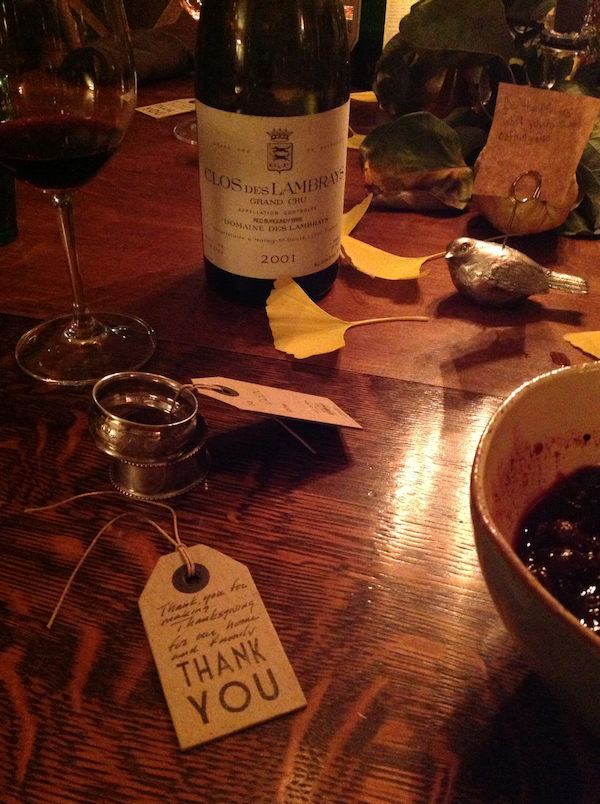
As we find our industry more and more beleaguered by condemnation we’d respectfully like to mount a small defense. Clearly, we’re not objective. We make and grow and sell wine. It is our passion, It is our livelihood. But it’s also so much more.
Eight thousand years ago, in the foothills south of Tbilisi, someone buried a jar of crushed grapes and came back to find it transformed — sugar turned to alcohol by wild yeast riding in on the fruit’s own skin, a small miracle of biochemistry that needed no human cleverness to occur, only the patience to notice (and the brevity to try it). That accident at Gadachrili Gora is where anthropologist, historian, scientist, and agronomist all collide.
The agronomist will tell you it starts in the soil: a vine forced to struggle in poor, well-drained ground sends its roots deep, and what it pulls up — the minerality, the stress, the particular slant of sun and swing of temperature — becomes what the French call terroir, the radical idea that a place and a particular combination of events can impart a specific and identifiable flavor.
The scientist will point out that fermentation is doing real chemical work most of us never see — yeast metabolizing sugar into alcohol and carbon dioxide, extracting polyphenols like resveratrol from grape skins in a process that alters mouthfeel, color, and body all at once, which is a clinical way of saying that the thing in your glass is quite literally a record of a living process, not a manufactured product.
The historian will remind you that within a few thousand years of that first jar, wine had become currency, medicine, religious sacrament, and diplomatic gift across Mesopotamia, Egypt, Greece, and Rome — not a luxury bolted onto civilization but one of the things civilization organized itself around, because whoever controlled the vineyard controlled trade routes, taxation, and ritual all at once.
But it is the anthropologist that has the most human answer of all: that wine survived every empire’s collapse because it was never really about the beverage itself, but rather that wine offered people a reason to sit down together; and commensality, a ten dollar word for the simple act of eating and drinking as a group, is one of the oldest and most reliable technologies humans have for building trust, easing conflict, and signaling that a stranger is now welcome at the table.
Fast forward to 2025, when the World Happiness Report found that roughly one in four Americans now eat every meal alone, a rate that has climbed for decades and correlates with measurably lower life satisfaction. So much so that the U.S. Surgeon General has named loneliness a public health crisis on par with smoking.
We invite you to return to the table. Wine doesn’t need to be the focal point or a meal, but it does offer an easy doorway to shared conversation, and an opportunity to introduce the kinds of small rituals that make a meal feel celebratory. In an age when we are literally starved for company, a bottle opened and shared amongst friends might just be the antidote to the solitary protein shake.
As we head into the season of entertainment and gathering it’s the little rituals of wine — selecting special bottles for the guests at our tables; deploying vintage references to spark meaningful conversations around shared memories, composing the perfect toast to honor beloved companions — that feel more important and more meaningful than ever, and tend to move even Tuesday pizza night in to the realm of a truly memorable occasion.