
12 bottles ship for $20 | Holiday 2026 Gift Sets ship for just $10

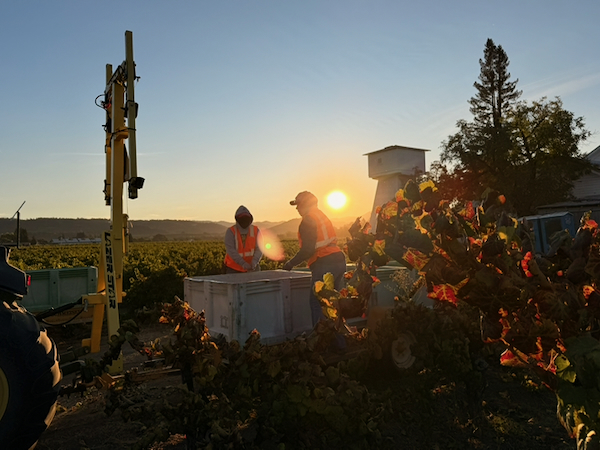
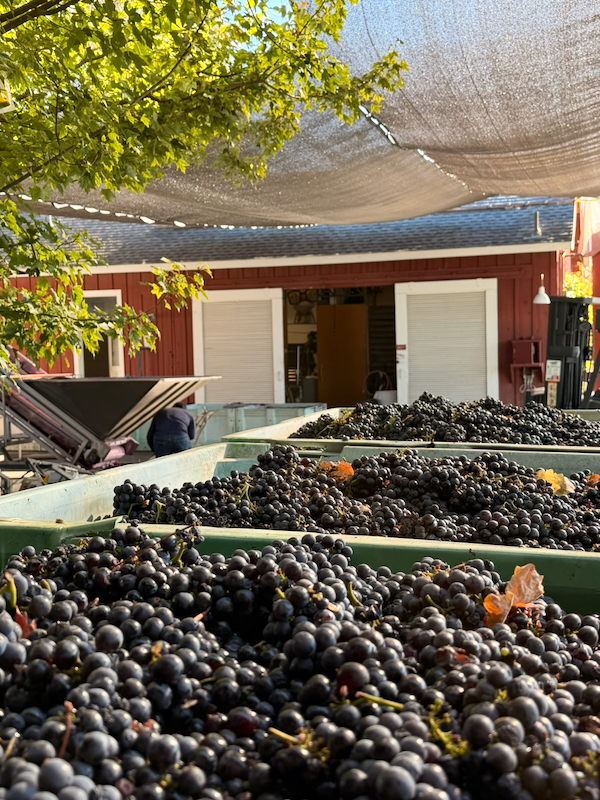
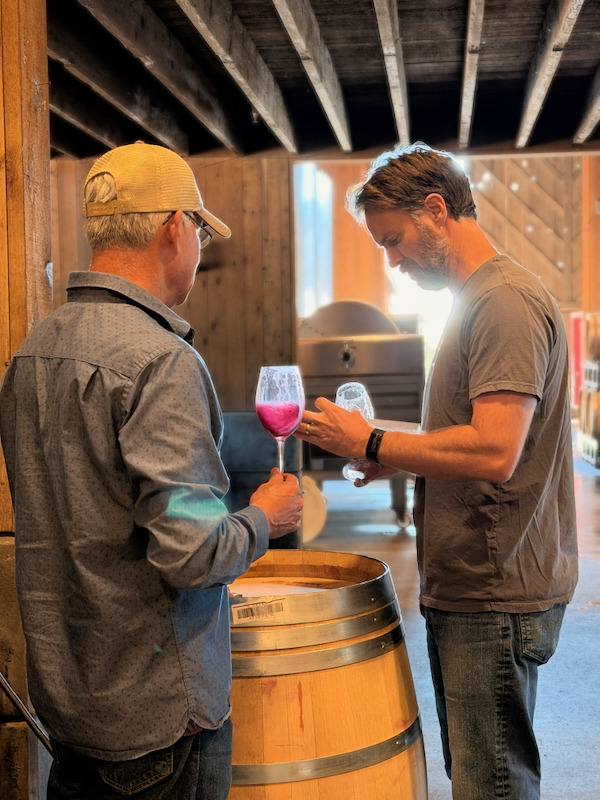
With the 2026 vintage in the rearview mirror we asked Rory Williams to sum up the season and his off the cuff response? “Let’s be honest, folks, a weird one.”
While it was a good year overall, the 2026 growing season followed a different path from most. And the anomalies started way back in March. Winter and spring rainfall was good, and then March turned dry and warm. Dormant vines, sensing soil moisture and sunlight, read these environmental signals as time to go. Bud break came about three weeks early (late March to the second week of April is normal). Sauvignon Blanc bloomed in April instead of May. Harvest opened at the end of July — the earliest start in Frog’s Leap history and the first time we have ever picked in July (29th to be exact). Vacations were canceled, and summer bottling was fast and furious. Sauvignon Blanc came in extremely light, roughly half its usual crop, which is a shortage that will be felt across Napa this vintage.
As peak Summer progressed with no heat waves and moderate temperatures, red varieties did something we’ve not seen before — they read the signs and slowed down. In a normal year, Cabernet and Merlot bloom takes a week and a half to two weeks; this year it took three to three and a half. Veraison took almost a month in some blocks.
Cabernet, which had been on track to ripen in late August or early September backed off. With the sun still high in the sky, the vines stretched the season. So while Sauvignon Blanc spent very little time on the vine between bloom and harvest, the reds spent far longer. This harvest ran almost seventy days, and the last Cabernet was picked on October 2. Slightly early, but within the range of a normal finish. Looking back, Rory’s take is that while no single event defined the vintage, it was an accumulation of unusual circumstances, and watching the vines adapt to them in real time was a reminder of just how extraordinary and adaptable nature truly is – and a reminder of what a privilege it is to be farmers.
The numbers are as unusual as the season. Acidities are very high, with high sugars and high pHs. Early tasting is encouraging. The Sauvignon Blancs are showing a lot of brightness, and the Cabernets are showing freshness and density across the palate. And while we are cautious about making comparisons this early, and while the wines still have to finish malolactic fermentation and get through the winter before we can truly gauge the quality of the vintage, this very weird year may just turn out some stand out wines – which is certainly a ray of sunshine in an otherwise challenging year. Blending is scheduled for January and February, stay tuned!